
The illustrated guide to risk management for medical devices and ISO 14971
This illustrated guide will provide a useful overview of risk management and ISO 14971; and address common misconceptions within risk management.


This illustrated guide will provide a useful overview of risk management and ISO 14971; and address common misconceptions within risk management.
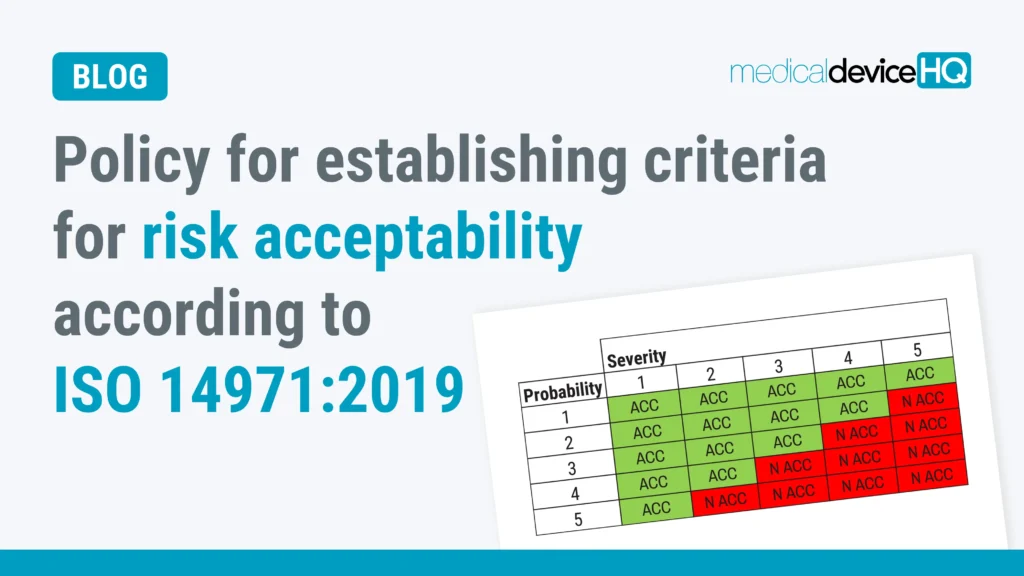
The requirement of having a policy for establishing criteria for risk acceptability was added in the ISO 14971:2019 version of the standard was because the concept was often misunderstood in the previous 2007 version of the standard.
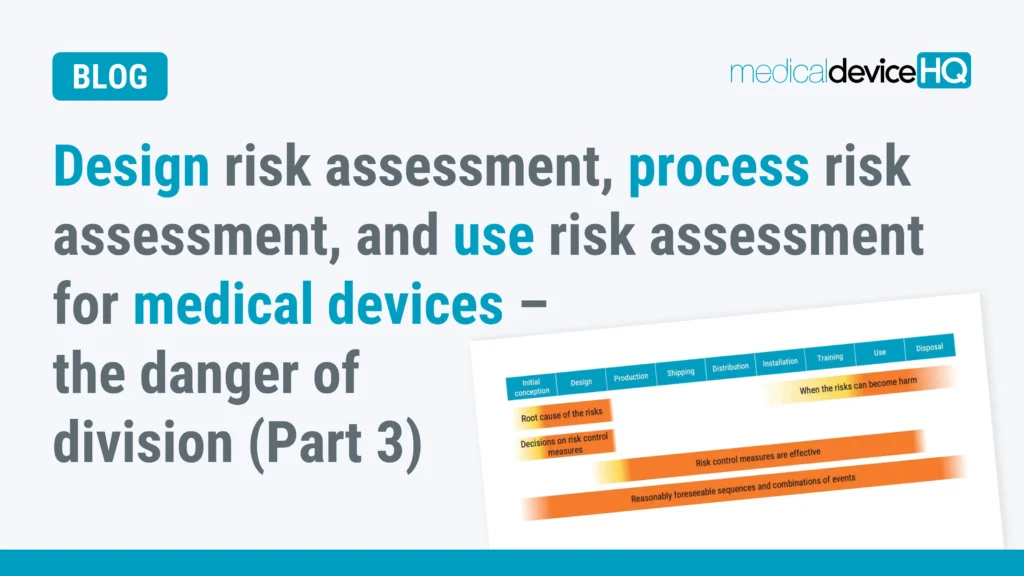
As the final part of this series, this article focuses on categorising risks based on the different life-cycle phases of a medical device in order to efficiently address them to avoid harm. Not all medical device manufacturers segment their documentation into three distinct documents but risk association with life-cycle phases is common in the industry.
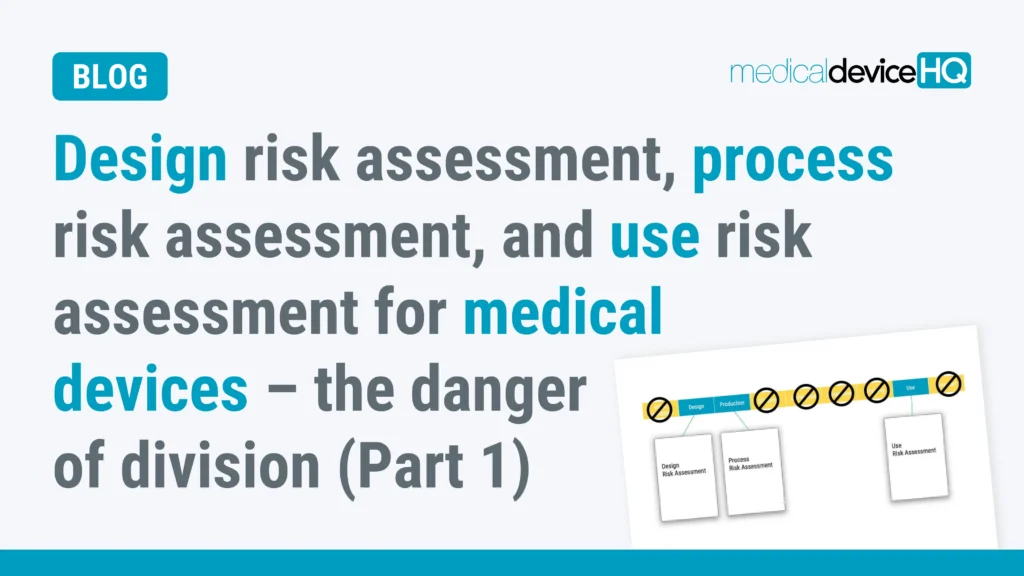
This first article in a series of three will be discussing the dangers of dividing risk management documentation according to Team NB’s recommendation. When performing risk management according to ISO 14971, a lot of medical device companies split up risk management documentation into “design risk assessment”, “process risk assessment” and “use risk assessment”. Not only is this common practice, but it is also recommended by Team NB.
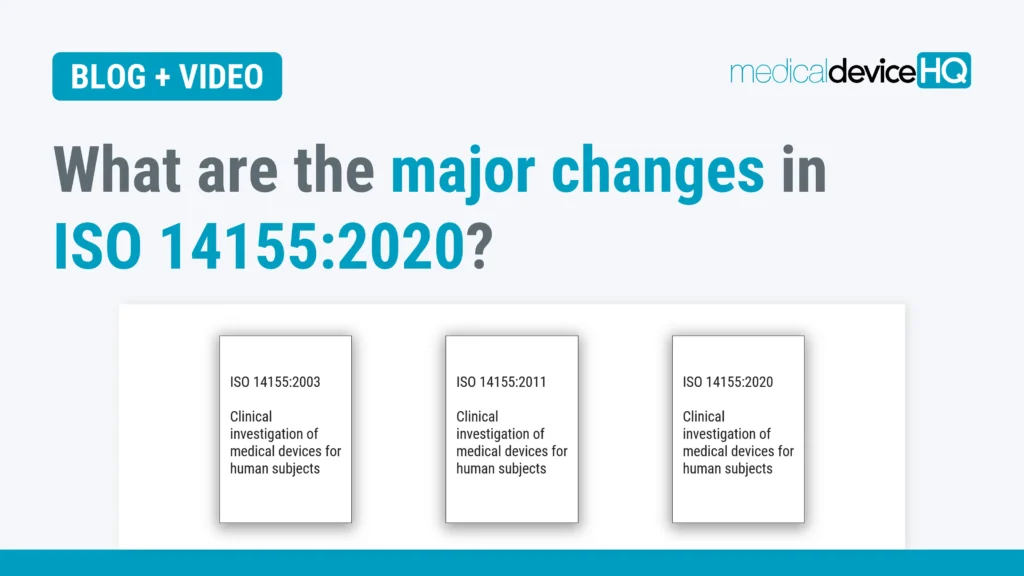
The ISO 14155 standard has undergone some changes in its 2020 edition, mainly in order to ensure that the standard continues to keep its global acceptance by regulatory authorities. This article will present the main changes compared to the previous version of the standard.

This article focuses on the purpose and scope of essential SOPs (Standard operating procedures) and controlling documents in a QMS. It also covers how and why you should write a thought-through purpose for your SOP or controlling document and how this impacts efficiency.

This article explores the Covid-19 situation from a medical device risk management perspective and compares how the risks of Covid-19 would be addressed when applying ISO 14971 risk management compared to what governments have done.

Providing basic documentation for all OTS software is expected. The documentation needs to consist of several points which answer the questions such as — what is it, what does it do, etc. Documentation serves as a piece of evidence.
When it comes to the use of CVSS, it is by no means limited to non-medical software, which means that the answer to the question from the title is yes, it can be used for medical device software too.
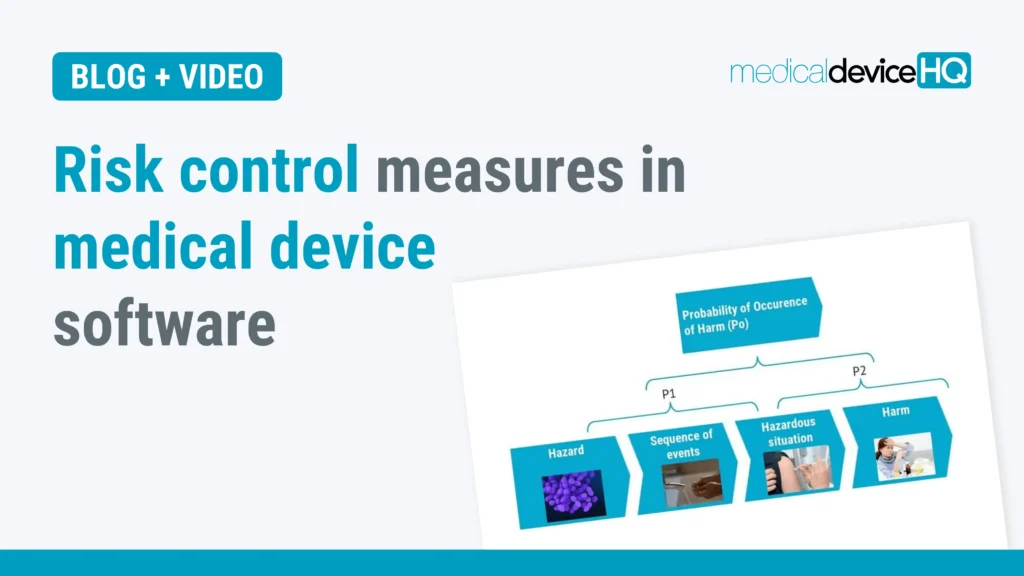
When working with medical device software, some of the most important things include knowing how to identify risks, and how to implement risk control measures in medical device software. The article provides an overview.
